
Our Online Canada Act
Action is better than inaction

I listened to the AI minister’s interview with Evan Solomon on Power and Politics and I am worried that we are missing the window of opportunity for tech company regulation in Canada.
The Tumbler Ridge shooting punctuates this point, but this moment of AI takeoff and the multi-year stasis on tech regulation in Ottawa is awaiting a smart resolution and the door is closing.
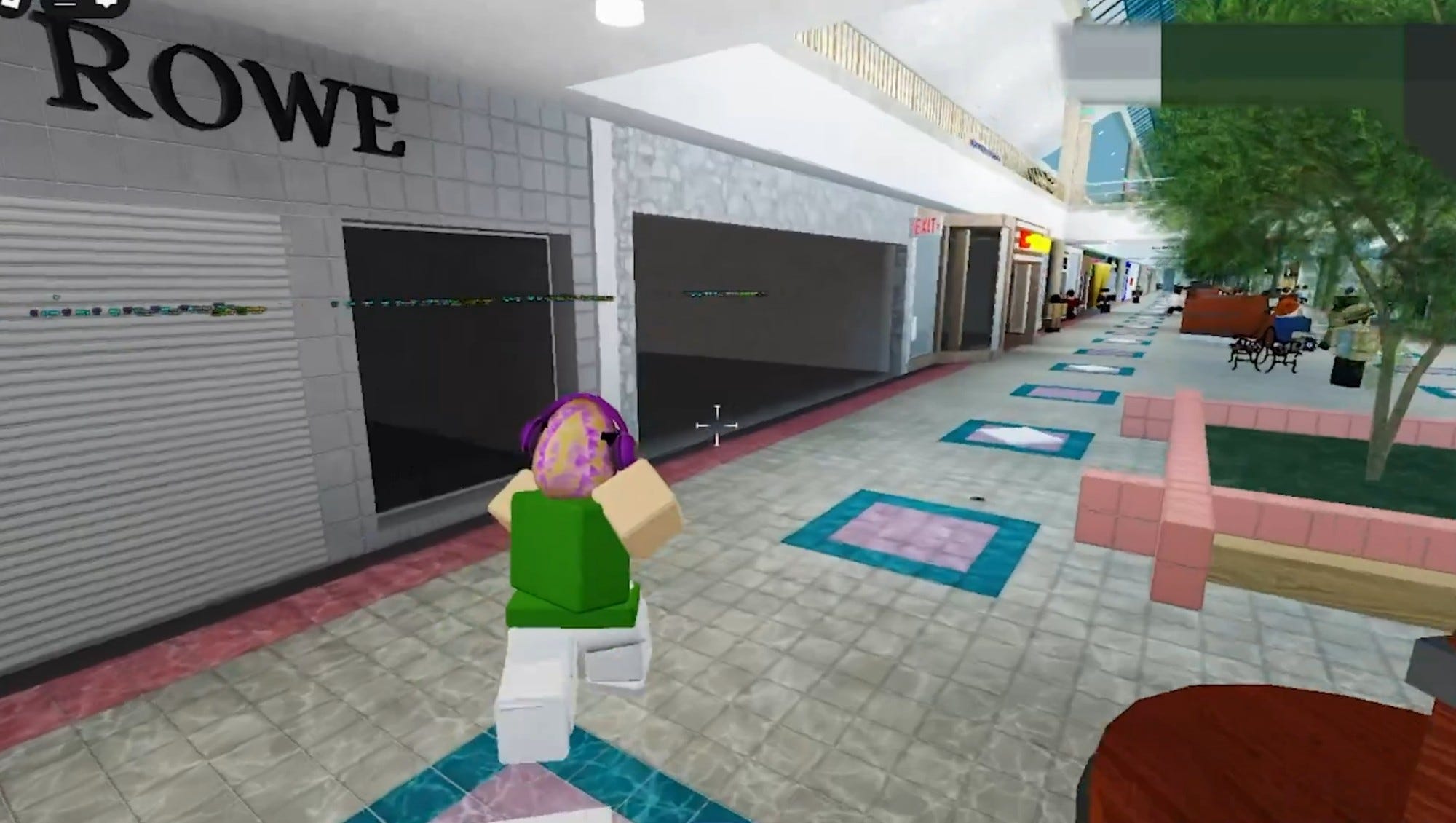
The government should reach across the aisle in good faith and build on MP Michelle Rempel Garner’s framework to implement a duty of care for young people by social media and AI companies. Rempel Garner links research showing the impact games like Roblox can have, depressingly prescient given the connection to the shooter in Tumbler Ridge.
Here is what I propose:
Our Online Canada Act
A plan to protect Canadians, defend our democracy, and promote Canadian culture
Protect Kids Online
Introduce a duty of care for kids on social media and chatbot platforms to ensure the companies designing these spaces adhere to a standard of reasonable care and take steps to prevent foreseeable harm. Don’t ban, iterate.
Research access to public social media data
Provide minimal standards and processes that allow researchers access to public social media data to detect and publicize foreign interference attempts. This simple approach leverages open source intelligence to better reveal interference, using sunshine as the best disinfectant for covert manipulation attempts.
Pay Canadians Fairly
Ensure Canadians are treated equally in content creation funds that large social media accounts enjoy in neighbouring jurisdictions. Basically the TikTok rewards program should include Canada. TikTok is a major source of modern news dissemination and cultural influence, and the exclusion of Canadians from these funds limits the flourishing of Canadian content. The US and UK have it, why not Canada?
That’s it. Don’t overcomplicate it. Just getting something over the legislative finish line.
We can thread the needle on child safety, foreign interference and cultural projection. Having the cojones to do so is what I would call practising digital sovereignty.
What do you think?